Managing who enters and exits a commercial property is one of the most critical responsibilities for any business. In busy environments with employees, clients, delivery drivers, and service providers constantly moving through the doors, relying on traditional locks and keys quickly becomes inefficient. Lost keys pose security risks, and tracking daily traffic manually is nearly impossible. This lack of oversight can leave valuable equipment, sensitive data, and personnel vulnerable.
A modern access control system provides a streamlined, dependable solution to these challenges. By replacing physical keys with digital credentials, such as keycards, fobs, or smartphone applications, businesses gain precise control over their entry points. These systems do more than just lock and unlock doors. They create a secure, organized environment that adapts to the daily operational needs of the facility.
Integrating an access control system into an office building transforms how security is managed. It offers a seamless experience for authorized users while establishing a strong, visible deterrent against unauthorized entry. Beyond basic security, this technology provides valuable data and flexibility, making it an essential investment for any growing or established commercial property looking to maintain a safe and professional atmosphere.
Understanding the Core Components of Access Control
To fully appreciate the value of an access control system, it is helpful to understand the different hardware and software elements that work together to secure a building. These systems can be tailored to fit the specific needs of a facility, from single-door setups to complex, multi-level security networks.
To better understand how companies utilize access control systems, the following table outlines the primary components typically found in a modern commercial access control system:
| Component | Description | Practical Benefit |
| Credentials | The digital “key” used to gain entry, such as a keycard, key fob, PIN code, or mobile app. | Eliminates the need for physical keys, making it easy to grant or revoke access instantly. |
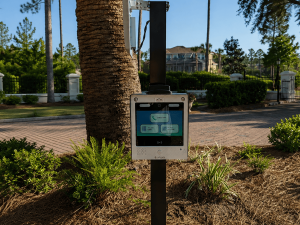
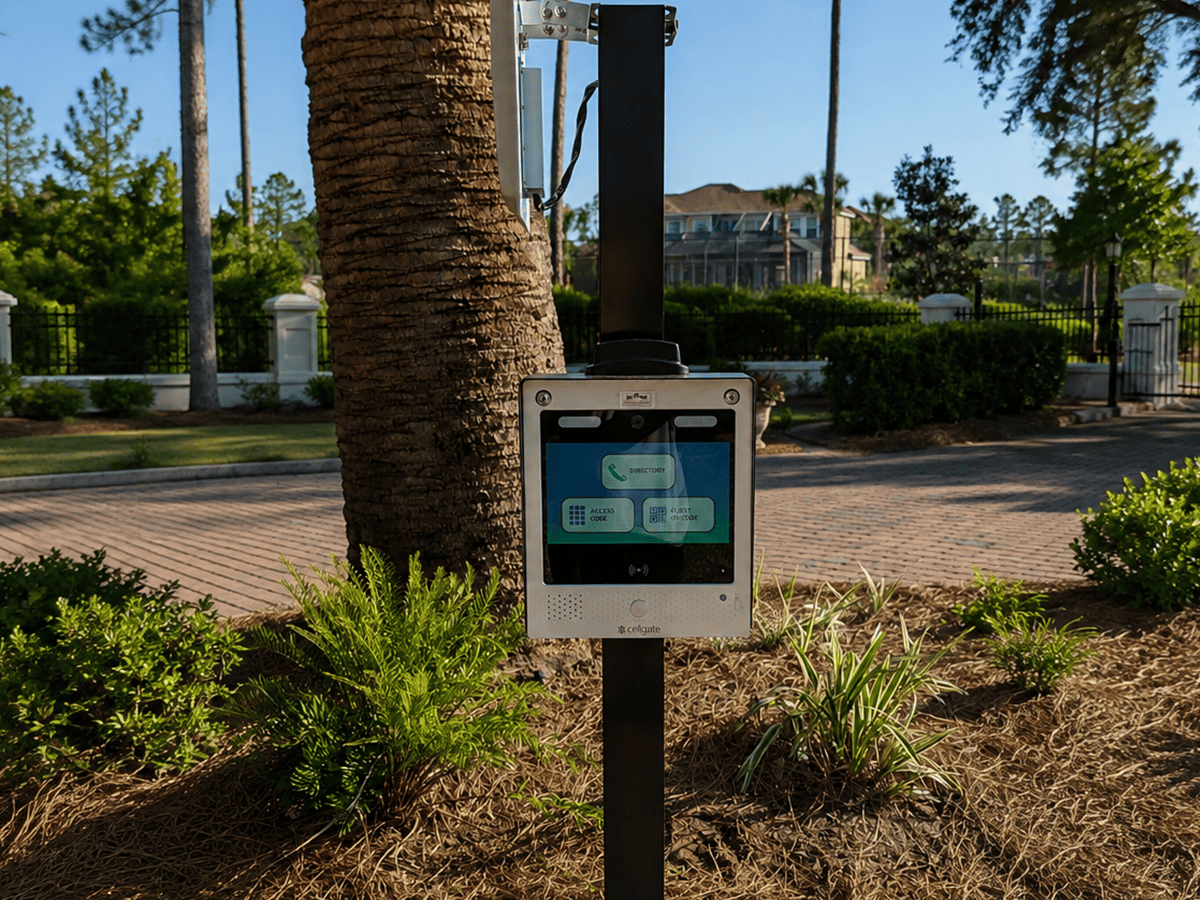
| Readers | The hardware installed next to the door that scans the credential and verifies authorization. | Provides a seamless, touchless, or low-friction entry experience for authorized personnel. |
| Control Panels | The central processing unit that receives data from the readers, checks permissions, and triggers the lock. | Ensures rapid, reliable decision-making to keep traffic flowing smoothly without compromising security. |
| Electronic Locks | Magnetic or electrified strike locks that secure the door and release only when signaled by the control panel. | Delivers strong, durable physical security that cannot be easily bypassed or picked. |
| Management Software | The dashboard used by administrators to monitor activity, manage users, and adjust security settings. | Offers complete oversight, detailed reporting, and the flexibility to manage the system from anywhere. |
Key Benefits of Upgrading to Modern Access Control
Upgrading from traditional locks to an electronic access control system offers significant advantages that go far beyond simply keeping the doors locked. These systems are designed to enhance both the security and the operational efficiency of a commercial property.
When a business invests in modern access control, it gains several practical benefits:
- Precise Entry Management: Administrators can restrict access to specific areas of the building based on an employee’s role. For example, general staff can enter the main lobby, while only IT personnel can access the server room.
- Time-Based Restrictions: Systems can be programmed to allow access only during specific hours. A keycard might work from 8:00 AM to 6:00 PM on weekdays but automatically deny entry during the weekend or late at night.
- Instant Credential Revocation: If an employee leaves the company or a keycard is lost, access can be deactivated immediately through the management software. This eliminates the cost and hassle of rekeying the entire building.
- Detailed Activity Tracking: The software records every entry attempt, creating a comprehensive log of who accessed which door and at what time. This data is invaluable for investigating security incidents or monitoring attendance.
- Seamless Integration: Many modern access control systems can integrate with other security measures, such as surveillance cameras, alarms, and automated commercial gates, creating a unified and highly effective security network.
- Enhanced Professionalism: A sleek, card-reader entry system presents a modern, organized image to visiting clients and partners, signaling that the company takes safety and security seriously.
Frequently Asked Questions (Q&A)
Q: Can an access control system work during a power outage?
A: Yes. Professional access control systems are typically installed with battery backups or uninterruptible power supplies (UPS). This ensures that the electronic locks remain secure and the readers continue to function smoothly during a temporary power failure, maintaining the integrity of the building’s security.
Q: Is it difficult to manage the software for a large number of employees?
A: Not at all. Modern management software is designed to be intuitive and user-friendly. Administrators can easily group employees by department, assign batch permissions, and automate onboarding or offboarding processes. Many cloud-based systems even allow management from a secure web browser or mobile device, making oversight highly versatile.
Q: Can access control be integrated with an exterior commercial gate?
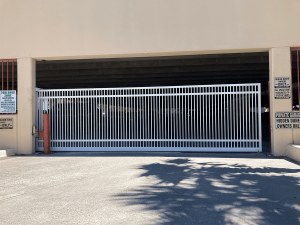
A: Absolutely. Integrating building access control with an automated driveway or parking lot gate is a highly effective strategy. Employees can use the same keycard or mobile credential to open the exterior gate and enter the main building, creating a streamlined, unified security experience from the perimeter to the interior.
Q: What happens if an unauthorized person tries to force the door open?
A: Access control systems can be configured with door position switches and alarms. If a door is forced open, held open too long, or tampered with, the system will instantly alert the management software and can trigger local alarms or notify security personnel, ensuring a rapid response to potential threats.
Who Can Install a Commercial Access Control System Near Me?
Securing a modern office building requires more than just installing new locks; it requires a tailored approach that addresses the specific traffic flow and safety requirements of the property. A professionally installed access control system delivers the reliability, durability, and seamless operation necessary to protect your business day after day.
Quality Gates and Openers, a Dillard company, provides expert installation and support for commercial access control systems and automated gates. Our team understands the unique challenges of commercial properties and works to deliver solutions that combine robust security with everyday convenience. Contact us today to discuss how we can upgrade your building’s entry management and keep your operations secure.