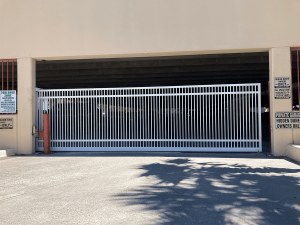
A business may need a crash gate when an unauthorized vehicle could place people, buildings, critical equipment, or essential operations at serious risk. Properties with sensitive assets, active vehicle traffic, public-facing entrances, or little distance between the driveway and protected areas often benefit from a barrier designed to resist forced vehicle entry.
Most commercial gates manage routine access, define a perimeter, and keep traffic orderly. A crash gate has a more specialized purpose: it is engineered to withstand vehicle impact at a specified performance level, adding protection where an ordinary gate may not be enough.
The right answer depends on the property’s risks, layout, daily activity, and the consequences of a vehicle entering without authorization. A well-planned system can strengthen security without making access unnecessarily difficult for employees, visitors, deliveries, or emergency responders.
What is a Crash Gate?
A crash gate is a vehicle barrier built and tested to stop or resist an unauthorized vehicle at a designated weight and speed. Depending on the application, the solution may be a crash-rated slide gate, swing gate, wedge barrier, bollard system, or another reinforced vehicle barrier.
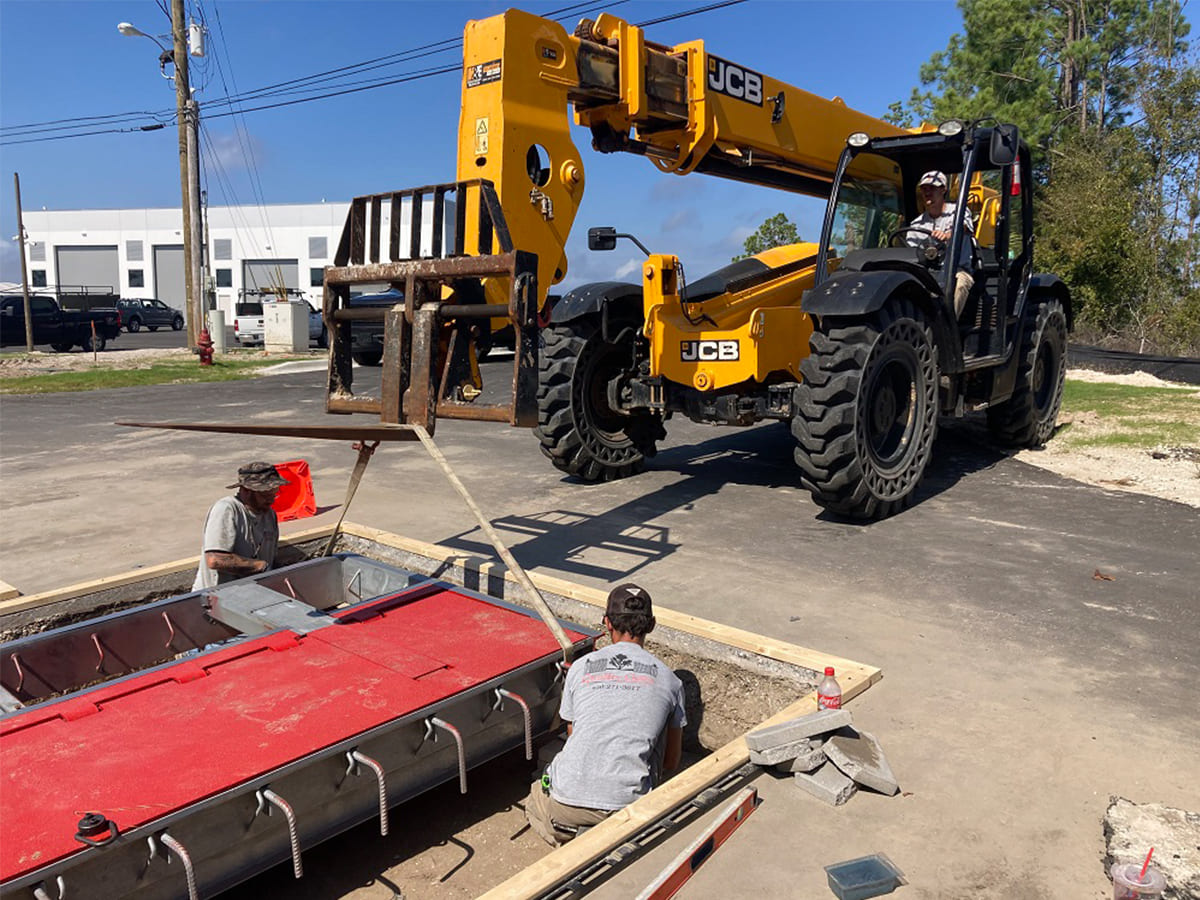
The difference is not simply a heavier gate leaf. The gate structure, posts, foundation, locking components, operator, and site layout must work together. Proper engineering and installation are essential because every supporting component affects how the barrier performs during an impact event.
| Gate Type | Primary Purpose | Typical Best Fit | Key Consideration |
| Standard commercial gate | Controls everyday vehicle access | Offices, warehouses, and general commercial sites | Not designed to stop vehicle impact |
| Reinforced security gate | Adds perimeter strength | Properties needing a more substantial entrance | May not carry a tested crash rating |
| Crash-rated gate | Resists forced vehicle entry | Sensitive or higher-risk facilities | Needs engineered foundations and adequate space |
| Active vehicle barrier | Stops vehicle threats at a specific point | High-security or high-traffic entries | Must be coordinated with traffic flow |
Signs Your Business May Need a Crash Gate
A crash gate is not limited to government or military facilities. Many commercial properties have conditions that warrant stronger vehicle protection. These signs may indicate that a crash-rated solution should be considered:
- Sensitive assets sit near the perimeter. Data equipment, utilities, fuel storage, secure inventory, or high-value machinery can be vulnerable to vehicle-based intrusion or damage.
- The building is close to the entrance. A short distance between the road, gate, parking area, and structure leaves little space to stop an unauthorized vehicle.
- The site handles valuable goods or materials. Warehouses, manufacturing plants, and logistics operations may need better protection against theft, damage, or unauthorized removal of goods.
- Past incidents have exposed a weakness. Trespassing, vandalism, or unauthorized entry attempts can reveal gaps in the existing perimeter plan.
- Pedestrians move near vehicle lanes. Employees, customers, visitors, and delivery personnel need protection when driveways run close to doors, walkways, or gathering spaces.
- Operational downtime would be costly. Businesses that support essential services or depend on continuous operation may need added protection to reduce disruption.
The decision should be based on actual site risk, not only on the gate’s appearance. A professional evaluation can determine whether a standard commercial gate, reinforced gate, crash-rated gate, or combined barrier system provides the most practical level of protection.
How Does Site Layout Affect the Right Gate?
Driveway width, available space, vehicle turning patterns, grade, underground utilities, emergency access, and delivery activity all affect the gate design. A slide gate may work well when there is enough room along the fence line for the gate to travel. A swing gate can be effective when the driveway allows the leaves to open without disrupting traffic.
Properties with limited setback may need the barrier positioned to stop a vehicle before it reaches a building, loading area, or another high-value asset. Traffic volume matters as well. Employee vehicles, visitors, large deliveries, service vehicles, and emergency responders should all be included in the planning process. The best solution strengthens security while supporting safe, efficient movement through the site.
What is the Role of Access Control?
A crash gate provides physical resistance, while access control determines who may use the entrance and when. Together, these systems create a more complete approach to commercial security. Access control reduces the need for manual gate operation, documents entry activity, and helps the gate respond appropriately to different users.
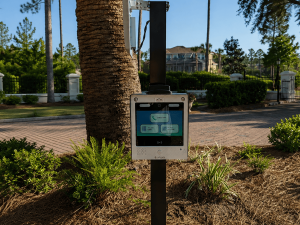
Authorized employees may use key cards, fobs, mobile credentials, keypads, remote controls, or license plate recognition. Visitors and delivery drivers can be directed through an intercom or video-entry process before access is granted. This provides a controlled entry point without requiring staff to remain at the gate throughout the day.
Access control also improves accountability. Permissions can be assigned by employee role, department, time of day, or area of the property. If a credential is lost or an employee leaves, access can be changed without replacing physical keys. For a crash-gate installation, the system should match the gate’s operating speed, safety devices, and traffic needs to support security while limiting delays.
Important Steps Before Installation
A crash-gate project works best when security and operations are evaluated together. Before selecting a system, take these steps:
- Identify what needs protection. Consider people, buildings, equipment, inventory, data systems, and essential operations.
- Review the entrance approach. Evaluate vehicle speed, roadway alignment, stopping distance, slope, and distance to protected areas.
- Determine the necessary level of resistance. A qualified professional can help establish whether the site needs a tested crash rating and what level matches the risk.
- Map normal traffic patterns. Include employees, visitors, delivery trucks, service vehicles, and emergency responders.
- Plan for long-term operation. Account for maintenance access, power, backup procedures, safety equipment, and future changes in use.
This process makes the gate part of a complete perimeter plan rather than an isolated security feature. It also helps avoid an installation that protects the property but creates unnecessary operational challenges.
Frequently Asked Questions
Does every commercial property need a crash gate?
No. Many businesses are well served by a standard or reinforced commercial gate. A crash gate is most appropriate when unauthorized vehicle entry could have serious safety, security, financial, or operational consequences.
Can a crash gate still have a professional appearance?
Yes. A crash-rated system can be tailored to complement the property. Material choices, finishes, fencing, landscaping, and access-control equipment can create a polished appearance without compromising protection.
Will a crash gate slow down daily traffic?
It can be designed for efficient traffic flow. The right gate type, lane layout, access-control programming, and safety planning help reduce delays for authorized vehicles.
Can access control be added to an existing gate?
Often, yes. Compatibility depends on the gate, operator, wiring, safety devices, and desired features. An evaluation can determine whether an upgrade is practical or whether replacement offers better long-term value.
How is a crash gate maintained?
Routine inspection and maintenance support dependable operation. Operators, rollers or hinges, locking hardware, safety devices, access-control components, and structural elements should be checked on a regular schedule.
Protecting Commercial Properties Across the Gulf Coast
Businesses across the Gulf Coast need security solutions that account for real traffic patterns, changing operations, demanding weather, and the value of the assets behind the perimeter. A properly planned crash gate can add meaningful vehicle protection while maintaining reliable access for authorized users.
For help determining whether a crash gate, commercial gate, or integrated access-control system fits a property, contact Quality Gates and Openers, a Dillard company. Our team can design a tailored solution that supports stronger security, smooth operation, and lasting value.